Roatan Mangrove Kayak Tour: Explore Hidden Mangroves & Wildlife in Roatan
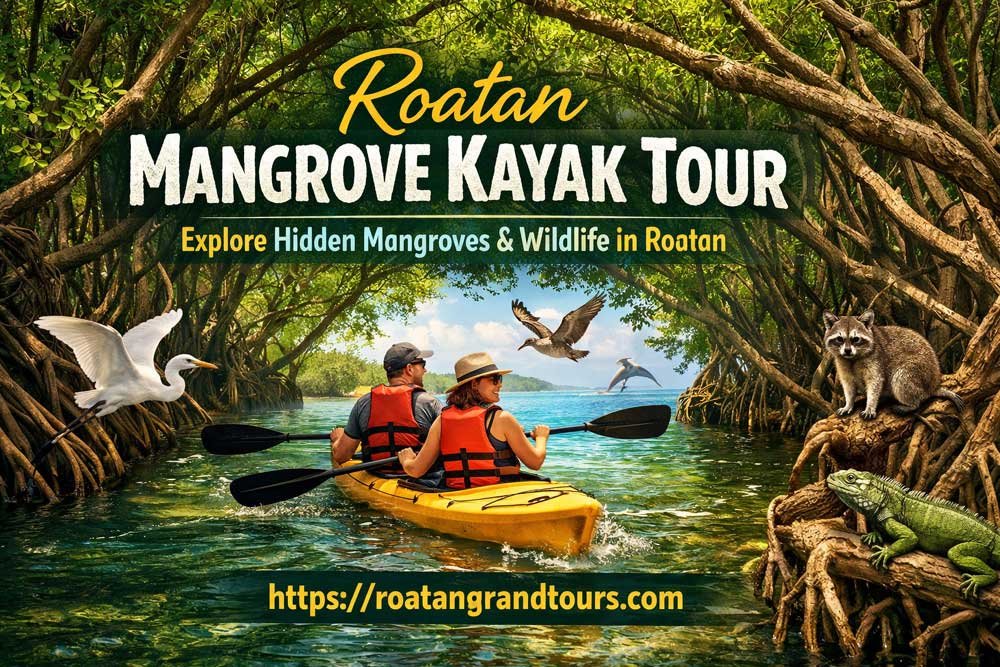
Roatan Mangrove Kayak Tour: Explore Hidden Mangroves & Wildlife in Roatan
Roatan Mangrove Kayak Tour: Explore Hidden Mangroves & Wildlife in Roatan
Experience the Magic of Roatan’s Pristine Mangrove Ecosystems
1. Introduction to Roatan Mangrove Kayak Tour
Embark on an unforgettable Roatan mangrove kayak tour and discover one of nature’s most fascinating ecosystems. The mangrove forests of Roatan, Honduras, represent a critical environmental treasure, serving as nurseries for countless marine species, natural water filters, and protective barriers against coastal erosion. These unique ecosystems thrive where freshwater meets saltwater, creating a brackish environment that supports an incredible diversity of life found nowhere else on the island.
Roatan’s mangrove networks stretch across several key areas of the island, forming intricate tunnel systems that weave through dense root structures. These natural labyrinths have been shaped over thousands of years, creating shaded waterways that remain cool and calm even on the warmest Caribbean days. The mangroves themselves—primarily red, black, and white varieties—have adapted remarkably to survive in saline conditions, developing specialized root systems that filter salt and anchor firmly in the soft sediment.
Why Kayaking is the Perfect Way to Explore Roatan’s Mangroves
While there are several ways to experience Roatan’s natural beauty, kayaking through the mangroves offers an intimacy with nature that simply cannot be matched. Unlike motorized boats that disturb wildlife and damage sensitive root systems, kayaks allow you to glide silently through narrow channels, getting up close to birds, fish, and other creatures without alarming them. The shallow draft of a kayak enables access to areas impossible to reach by larger vessels, taking you deep into the heart of the mangrove forest where the most spectacular sights await.
Kayaking is also the most eco-friendly option for exploring these delicate ecosystems. With zero emissions, minimal noise, and a light environmental footprint, kayak tours align perfectly with Roatan’s commitment to sustainable tourism. As you paddle through the emerald waters, you become part of the ecosystem rather than an outside observer, experiencing the mangroves as they’ve existed for millennia.
The rise of eco-tourism in Roatan has brought increased attention to the importance of preserving these vital habitats. A Roatan mangrove kayak tour isn’t just an adventure—it’s an opportunity to support conservation efforts and learn about sustainable travel practices. Many tour operators on the island work closely with environmental organizations to ensure that tourism activities actually benefit the mangroves rather than harm them. By choosing a responsible tour operator, visitors contribute directly to mangrove protection, marine research, and community education programs.
Sustainable travel has become more than a buzzword in Roatan; it’s a way of life embraced by locals and visitors alike. The island’s natural resources, including its magnificent mangrove forests, face threats from development, climate change, and pollution. However, when managed responsibly, eco-tourism provides economic incentives to protect these areas. Every kayak tour purchased supports local guides, provides alternative livelihoods to fishing or development, and raises awareness about the critical role mangroves play in marine ecosystem health.
2. What Is a Roatan Mangrove Kayak Tour?
A Roatan mangrove kayak tour is an immersive eco-adventure that takes participants through the island’s intricate mangrove channels and tunnels. These tours typically last between two to four hours, depending on the route and operator, and offer a perfect blend of gentle exercise, wildlife observation, and environmental education. The experience begins with a brief orientation on kayaking techniques and safety procedures, ensuring that even complete beginners feel confident before launching.
Tour Experience Highlights
One of the most appealing aspects of mangrove kayaking Roatan is the consistently calm water conditions. Unlike ocean kayaking, which can be challenging due to waves and currents, mangrove channels are protected from wind and surf. The water remains flat and tranquil throughout the year, creating ideal conditions for paddlers of all skill levels. This stability makes the tour accessible to families with young children, seniors, and anyone who might be nervous about water activities.
The shaded mangrove tunnels provide another significant advantage, especially in the Caribbean climate. As you paddle deeper into the forest, the dense canopy overhead creates a natural cooling system. Sunlight filters through the leaves in dappled patterns, creating a mystical atmosphere while protecting paddlers from direct sun exposure. The temperature inside these tunnels can be 10-15 degrees cooler than open water, making the experience comfortable even during midday hours.
Guided vs Self-Guided Options
Most visitors opt for guided tours, which offer tremendous value beyond just navigation. Expert local guides bring the mangroves to life with their knowledge of the ecosystem, pointing out camouflaged creatures you’d otherwise miss, explaining the unique adaptations of mangrove trees, and sharing stories about the island’s natural and cultural history. Guides also handle all logistics, from equipment setup to photography, allowing you to focus entirely on the experience.
Professional guides are trained in both kayaking instruction and environmental interpretation. They know exactly where to look for specific species, understand animal behavior patterns, and can identify birds by their calls alone. Many guides have grown up on Roatan and possess generational knowledge about the mangroves, passed down from parents and grandparents who fished and lived among these trees. This cultural perspective adds depth to the ecological education, revealing how human communities have sustainably coexisted with mangroves for centuries.
Self-guided options exist at certain locations, particularly for experienced kayakers familiar with the area. However, even skilled paddlers benefit from guided tours in Roatan’s mangroves due to the maze-like nature of the channels. It’s surprisingly easy to become disoriented among the uniform-looking passages, and guides ensure you don’t miss the most spectacular sections. Additionally, guided tours provide safety backup—someone experienced is always present should any issues arise.
The Roatan eco kayak tour experience emphasizes education and conservation. Guides explain the critical ecological functions of mangroves, from carbon sequestration to storm protection, helping visitors understand why these forests matter globally, not just locally. Many tours include discussions about threats facing mangroves and actions visitors can take to support conservation efforts, transforming a fun activity into a meaningful learning experience.
3. Why Choose a Mangrove Kayak Tour in Roatan?
Roatan’s mangrove forests represent one of the Caribbean’s most biodiverse ecosystems, harboring an astonishing variety of life forms in a relatively compact area. The unique biodiversity stems from the mangroves’ position at the intersection of terrestrial and marine environments. This ecotone—where two ecosystems meet—creates habitat complexity that supports species from both land and sea, plus specialized organisms found only in mangrove systems.
🐦 Bird Species
Over 40 species including herons, egrets, kingfishers, and rare mangrove warblers nest in these forests.
🐠 Marine Life
Juvenile fish, crabs, shrimp, and lobsters use mangrove roots as nurseries, protected from predators.
🦎 Reptiles
Iguanas, lizards, and occasional crocodiles inhabit the branches and banks of mangrove channels.
🦀 Invertebrates
Tree crabs, mollusks, and unique mangrove specialists create a complex food web among the roots.
Marine life thrives in the protected waters beneath the mangrove canopy. The tangled root systems create a three-dimensional habitat where young fish can hide from predators while feeding on the abundant plankton and small organisms. Studies show that mangroves serve as nurseries for up to 80% of commercial fish species in the Caribbean. Without these forests, reef fish populations would collapse, affecting both the environment and Roatan’s fishing industry. During your kayak tour, you’ll likely observe schools of juvenile snappers, grunts, and parrotfish darting among the roots, along with larger predators like barracuda patrolling the channels.
Perfect for Every Type of Traveler
A mangrove kayak tour in Roatan offers something special for every visitor profile. The peaceful nature of the experience, combined with beginner-friendly conditions, makes it an ideal choice for families, couples, solo travelers, and cruise passengers alike.
Families appreciate that children as young as five or six can participate safely. The calm water eliminates concerns about rough conditions, and the abundant wildlife keeps kids engaged and excited throughout the tour. Many families report that kayaking through the mangroves becomes the highlight of their Roatan vacation—a rare outdoor activity where parents and children can adventure together at the same pace, creating shared memories in a spectacular natural setting.
Couples seeking romantic, peaceful experiences find the mangrove tunnels enchantingly intimate. Paddling side-by-side through green-tinged light, surrounded by natural beauty and the gentle sounds of water and birds, creates a meditative atmosphere perfect for connecting and escaping daily stress. Many couples choose tandem kayaks, working together to navigate the channels, adding a collaborative element to the romantic setting.
For cruise passengers with limited time ashore, mangrove kayak tours offer maximum nature exposure in a compact timeframe. Tours can be scheduled to accommodate cruise ship schedules, with convenient pickup and drop-off at the port. In just a few hours, cruise visitors experience authentic Roatan nature, gain environmental insights, and create meaningful vacation memories—all without venturing too far from the ship or rushing through the experience.
The eco tour in Roatan concept appeals particularly to environmentally conscious travelers seeking sustainable vacation activities. Unlike high-impact tourism options, kayak tours leave virtually no trace, supporting rather than harming the environments they showcase. Participants leave with greater appreciation for marine conservation and often become advocates for protecting similar ecosystems worldwide.
Solo travelers and photographers especially value these nature tours Roatan offers. The slow pace and quiet approach enable wildlife photography opportunities impossible from faster-moving boats. The mangroves’ dramatic lighting—dappled sun through canopy creating spotlight effects on water—provides Instagram-worthy moments at every turn. Solo paddlers also enjoy the meditative quality of gliding through nature, finding the experience both adventurous and restorative.
4. Wildlife You’ll See During the Tour
The wildlife encounters during a Roatan wildlife tour through the mangroves are nothing short of spectacular. The diversity and abundance of creatures visible during a typical tour amazes even experienced naturalists. Unlike many wildlife viewing opportunities that require luck and patience, mangrove tours virtually guarantee multiple sightings due to the concentrated biodiversity of these ecosystems.
Bird Species
Roatan’s mangroves host an impressive array of birdlife, from tiny mangrove warblers to majestic great blue herons. The most commonly spotted species include green herons, which perch motionlessly on branches overhanging the water, waiting to spear passing fish with lightning-quick strikes. Snowy egrets, with their brilliant white plumage and elegant hunting techniques, wade through shallow areas. Belted kingfishers announce their presence with distinctive rattling calls before diving dramatically into the water to catch prey.
Rare species appear regularly in these protected habitats. The mangrove cuckoo, a shy bird difficult to spot elsewhere, frequents these forests. Yellow warblers flash golden against the green vegetation, while green-backed herons demonstrate remarkable fishing prowess. Serious birders have recorded over 40 species during single tours, making the mangroves a premier birding destination. Early morning tours offer the best birding opportunities, as many species are most active during cooler hours.
Marine Life Beneath the Surface
The water itself teems with life. Peer down into the clear channels and you’ll see juvenile fish of dozens of species sheltering among mangrove roots. These nursery areas protect young fish from predators while providing abundant food. Snappers, grunts, parrotfish, and surgeonfish are particularly common. The roots themselves host sessile organisms including sponges, tunicates, and small anemones, creating colorful underwater gardens visible from your kayak.
Crustaceans abound in the mangrove ecosystem Roatan. Tree crabs—fascinating creatures that climb among the branches—can be spotted clinging to trunks several feet above water. Hermit crabs scuttle across exposed roots during low tide. Occasionally, spiny lobsters peek out from root crevices, and sharp-eyed observers spot shrimp darting through the shallows. These invertebrates form crucial links in the food chain, converting detritus into protein that feeds larger animals.
Reptiles and Amphibians
Iguanas are frequent sightings, particularly on sunny branches where they bask to regulate body temperature. Green iguanas can reach impressive sizes—some over five feet long—creating exciting photo opportunities. Smaller anole lizards display colorful dewlaps as they perform territorial displays. The ultimate thrill, though rare, is spotting an American crocodile. Roatan’s mangroves support a small crocodile population, and while sightings are uncommon, the possibility adds an element of wild excitement to every tour.
Seasonal Wildlife Sightings
Legend: ■ Excellent (peak migration/breeding) | ■ Good (consistent sightings) | ■ Fair (hot/rainy season)
Seasonal Variations
Wildlife viewing varies seasonally, though the mangroves remain biologically active year-round. Winter months (December through March) coincide with North American bird migration, bringing additional species to the forests. Spring (April-May) sees heightened breeding activity among resident birds, creating opportunities to observe nesting behaviors. Summer months showcase the most juvenile fish in the nursery areas. Fall often brings the clearest water conditions, enhancing underwater visibility.
The importance of mangroves to marine ecosystems cannot be overstated. These forests function as the ocean’s nurseries, protecting vulnerable young marine life during critical developmental stages. They filter pollutants from runoff before it reaches coral reefs, process nutrients, stabilize coastlines against erosion, and sequester carbon at rates exceeding tropical rainforests. Observing the teeming life during a kayak tour drives home the interconnectedness of these systems—what happens in the mangroves affects the entire Caribbean marine environment.
5. Best Locations for Mangrove Kayaking in Roatan
Roatan offers several exceptional locations for mangrove kayaking, each with unique characteristics and appeal. Understanding the differences helps you choose the location best suited to your interests and schedule.
Oak Ridge Mangroves
The most extensive mangrove system on Roatan, Oak Ridge features labyrinthine channels winding through dense forest. This area offers the longest paddling routes and most developed tunnel systems. Oak Ridge is renowned for its bird diversity and frequently delivers crocodile sightings. The town of Oak Ridge itself—built entirely over water on stilts—provides fascinating cultural context, showing how island communities traditionally lived in harmony with mangrove environments.
Best for: Experienced paddlers, bird watchers, those seeking longer tours
French Cay Mangrove Channels
Located on Roatan’s East End, French Cay offers pristine mangrove channels with exceptionally clear water. This area sees fewer tour groups, providing a more secluded experience. The mangroves here connect to seagrass beds where sea turtles feed, increasing chances of turtle encounters. French Cay’s compact channel system makes it ideal for shorter tours or beginners concerned about getting lost.
Best for: Intimate experiences, photographers, turtle enthusiasts
East End Ecosystems
The broader East End region encompasses several interconnected mangrove areas plus seagrass meadows and patch reefs nearby. Tours here often combine kayaking with snorkeling, offering the most diverse experience. The East End remains less developed than West Bay, preserving a more natural atmosphere. This area showcases the full gradient from mangrove to seagrass to reef, illustrating ecosystem connections.
Best for: Combination tours, ecology enthusiasts, comprehensive nature experiences
Each location maintains distinct characteristics shaped by geography, freshwater input, and proximity to the open ocean. Oak Ridge receives the most freshwater from inland streams, creating brackish conditions that support unique species assemblages. French Cay’s connection to ocean currents brings exceptional water clarity and marine diversity. The East End benefits from protective geography that moderates weather impacts, ensuring calm conditions even when West End experiences rougher seas.
Geographic positioning also affects accessibility for different visitor types. Oak Ridge sits centrally, roughly equidistant from major resort areas and cruise ports, making it convenient for all visitors. French Cay and East End locations favor those staying at eastern resorts or willing to travel for more secluded experiences. Many operators offer transportation from any island location, eliminating logistics as a decision factor.
6. What’s Included in a Roatan Mangrove Kayak Tour?
Professional mangrove kayak tours include everything necessary for a safe, enjoyable experience. Understanding what’s provided helps you prepare appropriately and appreciate the value these tours offer.
Standard Tour Inclusions:
- Single or tandem kayak (sit-on-top design for stability and easy entry/exit)
- Paddle and safety leash
- Personal flotation device (life jacket) in appropriate size
- Dry bag for storing personal items
- Professional local guide with environmental expertise
- Safety briefing and paddling instruction
- Bottled water
- Equipment orientation and fitting
Quality kayaks make significant difference in comfort and ease of paddling. Tour operators use modern sit-on-top kayaks specifically designed for recreational use in calm waters. These kayaks feature wide, stable hulls that resist tipping, comfortable molded seats with back support, and ample legroom accommodating various body sizes. Self-bailing scupper holes prevent water accumulation, keeping you dry even if splash occurs.
Professional guides represent the tour’s most valuable inclusion. Beyond navigation, guides serve as naturalists, photographers, and safety officers. Their intimate knowledge of the ecosystem transforms kayaking from simple paddling into educational adventure. Guides spot camouflaged wildlife, interpret animal behaviors, explain ecological relationships, and answer unlimited questions. Many guides carry waterproof identification guides and use them to teach guests about species encountered.
Transportation Options
Many tour packages include transportation, though specific arrangements vary by operator and tour location. Some operators offer complimentary pickup from major resort areas or the cruise port, while others provide this service for an additional fee. When booking, clarify transportation details—some tours meet at the launch site, requiring guests to arrange their own travel. For cruise passengers especially, confirming port pickup and timing is crucial to avoid missing the ship.
Premium tour options often include additional perks such as professional photography services, where guides capture images of your group throughout the tour and provide digital copies afterward. Some tours incorporate snorkeling stops, extending the experience to include reef exploration. Others provide fruit snacks or light refreshments beyond water. Private tours offer customization—adjusting pace, duration, and focus areas to your preferences.
The inclusion of proper safety equipment and trained guides cannot be overemphasized. While mangrove kayaking is generally safe, having professional oversight ensures appropriate response to any situation. Guides carry communication devices, know first aid, understand weather patterns, and can manage medical or equipment issues efficiently. This professional support allows you to relax and enjoy the experience rather than worrying about logistics or safety.
7. Who Is This Tour Best For?
The versatility of mangrove kayak tours makes them suitable for remarkably diverse groups, from young children to seniors, from adventure seekers to those preferring gentle experiences.
Beginners & First-Time Kayakers
Absolute beginners thrive on mangrove tours. The flat, calm water eliminates concerns about balance or capsizing that plague ocean kayaking. Tours begin with comprehensive instruction covering basic paddling strokes, turning techniques, and kayak control. Within minutes, complete novices paddle confidently. The forgiving conditions allow you to master basics quickly, building skills and confidence as the tour progresses. Many first-time kayakers report surprise at how easy and enjoyable the experience proves.
Nature Lovers & Photographers
For those passionate about nature and photography, mangrove tours deliver unparalleled opportunities. The abundant wildlife, combined with slow-paced approach, creates ideal photography conditions. Kayaks can be stopped instantly for extended observation or photography sessions. The lighting—dappled sun through canopy creating dramatic effects—produces stunning images even with smartphone cameras. Serious photographers appreciate the stability of sit-on-top kayaks, which provide secure platforms for telephoto lenses and extended shoots.
Perfect For These Groups
Satisfaction ratings by visitor type
Families with Children
Families find mangrove tours exceptionally family-friendly. Children as young as five or six participate safely in tandem kayaks with parents. The wildlife spotting aspect keeps kids engaged—turning the experience into an exciting scavenger hunt rather than boring exercise. Educational components teach children about environmental stewardship in memorable, hands-on ways. Many families report that shy or reluctant children blossom during these tours, gaining confidence from mastering a new skill in a supportive environment.
Tandem kayaks allow parents and children to paddle together, sharing the adventure while parent maintains control. Some families with multiple children book a mix of single and tandem kayaks, letting older, capable kids paddle independently while younger ones ride with adults. Guides adjust pace to accommodate the slowest paddlers, ensuring families stay together and nobody feels rushed or left behind.
Cruise Ship Excursions
For cruise passengers seeking authentic shore excursions, mangrove tours excel. They typically fit within standard port call timeframes, lasting 2-4 hours total including transportation. Operators experienced with cruise schedules build buffer time into itineraries, virtually guaranteeing you return to the ship well before departure. The activity level suits cruise passengers of varying fitness levels—more accessible than hiking or strenuous snorkeling, yet more active than bus tours.
Cruise passengers particularly appreciate the genuine nature experience. Unlike commercialized tourist attractions, the mangroves provide authentic wilderness encounters. You’re kayaking through real ecosystems, observing wild animals in natural habitats—experiences far removed from typical cruise excursions. The memories and photos from mangrove tours often outlast those from more conventional shore activities. To learn more about planning your arrival, check out this helpful guide on How to Travel to Roatan Honduras.
8. Best Time to Do a Mangrove Kayak Tour in Roatan
One of the mangrove tour’s greatest advantages is year-round availability. Unlike many outdoor activities affected by seasonal weather variations, mangrove kayaking remains excellent throughout all twelve months. However, certain periods offer specific advantages worth considering when planning your visit.
Year-Round Availability
Roatan’s tropical climate maintains consistent temperatures year-round, with averages ranging from 77-86°F (25-30°C). The mangrove channels, protected by dense canopy, stay comfortable even during warmest months. The calm water conditions persist regardless of season—one reason mangrove tours operate continuously without weather-related cancellations common to ocean activities.
Best Weather Months
While any month works well, the period from February through April offers optimal conditions. These months feature the least rainfall, lowest humidity, and most consistent sunshine. Water clarity reaches peak during this dry season window, enhancing wildlife viewing. February through April also coincides with comfortable temperatures—warm enough for water activities but without summer’s intense heat.
November through January presents another excellent window, especially for birders. Winter months bring migratory bird species from North America, dramatically increasing bird diversity. These months also avoid peak tourist season crowds that descend from February onward.
For detailed information about planning your visit, explore What’s the Best Month to Visit Roatan to help optimize your travel dates.
Morning vs Afternoon Tours
Time of day significantly impacts the tour experience. Morning tours, typically departing between 7:00-9:00 AM, offer several advantages. Wildlife activity peaks during cooler morning hours—birds actively hunt, fish feed near the surface, and other creatures exhibit natural behaviors. Morning light creates beautiful photography conditions with gentle illumination. Temperatures remain more comfortable before midday heat arrives. Morning tours also avoid afternoon rain showers that occur during wet season months.
Afternoon tours, usually starting 2:00-4:00 PM, provide different benefits. As the hottest part of day passes, the shaded mangrove tunnels offer refreshing escape. Afternoon lighting differs from morning, creating warmer tones and different shadow patterns. For cruise passengers whose ships arrive midmorning, afternoon tours may fit schedules better. Some operators offer sunset tours, timing the return paddle to coincide with spectacular Caribbean sunsets over the water.
Seasonal Keyword Variations
Search patterns reveal that prospective visitors often search season-specific terms: “Roatan mangrove tour December,” “best time for mangrove kayaking Roatan,” or “Roatan dry season activities.” The reality is that mangrove tours succeed any month, though preferences vary by visitor priorities. Those prioritizing optimal weather choose February-April. Birding enthusiasts prefer November-February for migratory species. Budget-conscious travelers might select May-October when island-wide prices drop during low season, though tour quality remains unchanged.
Hurricane season, officially June through November, causes concern for some visitors. In reality, direct hurricane strikes are rare in Roatan due to the island’s southern Caribbean location. Even during hurricane season, protected mangrove channels remain calm and kayakable. Tour operators monitor weather closely and proactively reschedule if conditions deteriorate, though outright cancellations are uncommon.
9. How Long Is the Mangrove Kayak Tour?
Tour duration varies based on operator, location, and tour type, offering options for different schedules and energy levels.
Standard Tour Durations
Most basic mangrove kayak tours last approximately 2-3 hours from start to finish. This includes initial orientation and safety briefing (15-20 minutes), the actual kayaking portion (60-90 minutes), and wrap-up activities like equipment return and final photos (15 minutes). This timeframe proves ideal for most participants—long enough for meaningful experience and wildlife encounters, yet short enough to avoid fatigue.
Half-day tours extending to 4-5 hours incorporate additional elements. These might include extended paddling through multiple channel systems, snorkeling stops where mangroves transition to seagrass beds, beach breaks on small cays, or even lunch provided on a waterfront deck. Half-day tours suit those wanting more immersive experiences without feeling rushed.
When factoring transportation, add approximately 30-60 minutes each way depending on your starting location. Cruise passengers typically allot 4-5 hours total for standard 2-hour tours, including port-to-site transportation. This ensures comfortable timing without anxiety about missing the ship.
Pace and Difficulty Level
The pace remains leisurely throughout, designed for enjoyment rather than fitness challenge. Tours incorporate frequent stops for wildlife observation, photography, guide explanations, and rest. Even during active paddling, the required effort is minimal—calm water and flat conditions mean you’re not fighting current or waves. Most participants find the physical exertion comparable to a casual walk, perhaps slightly more engaging for upper body.
Difficulty level registers as easy to moderate for most people. Basic fitness suffices—no athletic ability required. The greatest physical demand comes from maintaining seated position for extended periods, which affects some seniors or those with mobility limitations. However, modern kayak seats provide good support, and frequent stops allow position changes and stretching.
Custom Private Tours
Private tours offer ultimate flexibility regarding duration and pacing. Want an extended, leisurely exploration with extended wildlife observation? Private tours accommodate this. Need to compress the experience into a tighter timeframe? That’s also possible. Private tours can be customized for specific interests—perhaps focusing heavily on photography with minimal paddling, or conversely, more paddling for exercise-minded participants.
Private tours also adapt to participant ability levels. If booking for a mixed-ability group, guides adjust pace and route to ensure everyone stays comfortable. For groups with advanced kayakers, routes can incorporate more challenging channels or longer distances. This customization makes private tours worthwhile investments for groups with specific needs or preferences.
10. Roatan Mangrove Kayak Tour vs Other Water Tours
Understanding how mangrove kayaking compares to other Roatan water activities helps you make informed decisions about how to spend your precious vacation time.
| Activity | Intensity | Wildlife Encounters | Environmental Impact | Beginner Friendly | Unique Experience |
|---|---|---|---|---|---|
| Mangrove Kayak Tour | Low-Moderate | Very High (birds, marine life, reptiles) | Minimal | Excellent | Intimate, educational, eco-focused |
| Snorkeling Tours | Low | High (reef fish, coral) | Low-Moderate | Very Good | Underwater exploration |
| Boat Tours | None | Moderate (viewed from distance) | Moderate | Excellent | Passive observation |
| Scuba Diving | Moderate-High | Very High (deep reef species) | Low | Requires Certification | Deep underwater exploration |
| Stand-Up Paddleboarding | Moderate | Moderate | Minimal | Good | Full-body workout with views |
Kayaking vs Snorkeling
Snorkeling and kayaking complement each other beautifully—many visitors do both during their Roatan stay. Snorkeling showcases the underwater realm: coral gardens, tropical fish, and the mesmerizing experience of swimming among marine life. Kayaking reveals above-water ecosystems: mangrove forests, birds, and the interface between land and sea. Snorkeling focuses on coral reefs; kayaking highlights mangrove nurseries where reef fish begin life. Together, these activities provide comprehensive understanding of Caribbean marine ecosystems.
From accessibility standpoint, kayaking accommodates more people. Some visitors feel uncomfortable with snorkeling—concerns about breathing through a tube, water in the mask, or seeing underwater while floating. Kayaking keeps you above water in a stable platform, making it more approachable for anxious swimmers. Conversely, kayaking requires some upper body effort, while snorkeling is nearly effortless physically.
Kayaking vs Boat Tours
Motorized boat tours excel at covering large distances quickly, visiting multiple locations, and accommodating larger groups. However, they lack intimacy with nature. Engine noise disturbs wildlife, limiting observations. Boats can’t access shallow mangrove channels accessible only to kayaks. The experience remains more passive—you’re a passenger viewing scenery rather than actively engaging with the environment.
Kayaking offers active participation. You’re propelling yourself through nature under your own power, creating connection to the environment impossible from a motorboat. The silence of paddling allows you to hear natural sounds: bird calls, fish jumping, wind rustling mangrove leaves. Wildlife remains undisturbed, behaving naturally rather than fleeing engine noise. The slower pace encourages mindfulness and observation—you notice details that blur past from speeding boats.
Environmental Considerations
From ecological perspective, kayaking represents the gold standard for eco-tourism. Zero emissions, zero noise pollution, zero wake damage to shorelines or root systems. Kayaks can’t leak fuel or oil into sensitive waters. They don’t disturb sediments that boats stir up. The minimal impact aligns perfectly with sustainable tourism principles—enjoying nature while preserving it for future generations.
This environmental friendliness extends beyond simple “not harming” to actual benefit. Many kayak tour operators actively participate in conservation efforts: mangrove planting projects, beach cleanups, educational programs for local schools, and research collaborations. Your tour fees directly support these initiatives. Some operators donate percentages of profits to environmental organizations. By choosing kayak tours, you vote with your wallet for sustainable tourism models.
For more eco-friendly adventure options in Roatan, explore other offerings at Roatan Grand Tours, which specializes in sustainable tourism experiences across the island.
11. What to Bring on Your Kayak Tour
Proper preparation enhances your mangrove kayaking experience significantly. While tours provide essential equipment, several personal items make the adventure more comfortable and enjoyable.
Essential Items Checklist
- Sun Protection: Biodegradable reef-safe sunscreen (regular sunscreen harms marine ecosystems), wide-brimmed hat with chin strap, UV-protective sunglasses with retention strap, lightweight long-sleeve SPF shirt
- Footwear: Water shoes or sport sandals with back straps (avoid flip-flops which fall off), old sneakers that can get wet
- Camera Equipment: Waterproof camera or GoPro, smartphone in waterproof case, extra memory card and batteries, lens cloth for clearing water spots
- Clothing: Quick-dry shorts or lightweight pants, moisture-wicking shirt, swimsuit under clothes (you may get splashed), change of dry clothes for after tour
- Personal Items: Small towel, insect repellent (natural/DEET-free preferred), personal medications if needed, waterproof bag for valuables
Sun Protection Details
Despite shaded mangrove tunnels, sun exposure remains significant. The water reflects sunlight upward, increasing UV exposure. Uncovered skin burns quickly in tropical sun. Apply sunscreen 15-20 minutes before tour start, allowing it to bond with skin. Reapply after 80 minutes or if you get wet. Choose “reef-safe” or “ocean-friendly” formulations free from oxybenzone and octinoxate—chemicals that bleach coral and harm marine life.
Hats serve double duty: sun protection and visibility improvement. Brims shade eyes, reducing glare from water and improving wildlife spotting. Secure hats with chin straps—paddling generates breeze that can blow unsecured hats into water. Wide-brimmed fishing-style hats or baseball caps both work well.
Photography Equipment
Photography opportunities abound during mangrove tours, making camera equipment highly recommended. Waterproof cameras or ruggedized action cameras like GoPros work ideally. If bringing smartphones or non-waterproof cameras, invest in quality waterproof cases—not just water-resistant but fully submersible. Kayaking involves water exposure through splashing, humidity, and potential drops.
Consider bringing inexpensive lens cloths for wiping water spots and humidity fog from lenses. The humid environment causes condensation on optics. Quick cleaning reveals clear shots of wildlife. Binoculars enhance birding experiences—waterproof models preferred. Some tours provide binoculars, but having your own ensures availability.
What to Leave Behind
Leave valuables, jewelry, and unnecessary electronics at your hotel or ship. Tours provide dry bags, but space is limited. Avoid bringing large bags, excessive clothing, or bulky items. Leave cotton garments behind—they stay wet and uncomfortable. Skip the beach towel; small quick-dry towels suffice. Most importantly, leave single-use plastics behind. Bring reusable water bottles; tours provide refills. This small action supports the environmental ethos central to eco-tourism.
12. Is the Roatan Mangrove Kayak Tour Safe?
Safety concerns are common, especially for first-time kayakers or those unfamiliar with tropical environments. The reality is that mangrove kayak tours rank among Roatan’s safest activities due to inherent conditions and professional management.
Calm Waters and Natural Protection
The fundamental safety advantage stems from the protected water environment. Mangrove channels remain flat calm regardless of ocean conditions. Unlike exposed coastlines where waves and currents create hazards, the dense mangrove forest blocks wind and water movement. You paddle through what feels like a lake—zero waves, minimal current, crystal-clear water allowing you to see bottom at all times.
The shallow water depth (typically 2-6 feet) provides additional safety. Even if someone capsized—extremely unlikely in stable sit-on-top kayaks—standing up is simple. The warm water temperature (80-85°F year-round) eliminates cold shock risks present in cooler climates. Hypothermia is impossible in Roatan’s tropical waters.
Professional Guides and Safety Equipment
Certified guides undergo extensive training covering kayaking instruction, safety protocols, first aid, CPR, and local emergency procedures. They carry communication devices maintaining contact with shore bases. Guides assess weather conditions before departing and monitor continuously throughout tours, making real-time decisions prioritizing guest safety above all else.
All participants receive properly fitted personal flotation devices (life jackets) meeting international safety standards. While not typically necessary given the calm conditions and shallow water, PFDs provide fail-safe protection and peace of mind. Children’s PFDs are sized appropriately—never adult vests on small bodies.
Guide-to-guest ratios remain conservative, typically one guide per 6-10 participants. Small group sizes ensure guides monitor everyone continuously, providing immediate assistance if anyone struggles. Guides position themselves strategically—often leading the group but regularly checking behind to verify everyone progresses comfortably.
Suitable for Non-Swimmers
Non-swimmers can safely participate in mangrove kayak tours. The combination of calm conditions, shallow water, stable kayaks, and mandatory PFDs creates safe environment regardless of swimming ability. Many non-swimmers complete tours confidently, discovering that the calm setting eliminates their water-related anxieties. If you’re a non-swimmer, simply inform your guide beforehand. They’ll provide extra attention and reassurance, position you strategically within the group, and ensure you feel comfortable throughout.
Wildlife Safety
Concerning wildlife encounters, the mangroves pose minimal risks. The creatures inhabiting these ecosystems—birds, fish, crabs, iguanas—are non-aggressive. Even crocodiles, when present, avoid human interaction. No venomous snakes inhabit Roatan’s mangroves. Stingrays occasionally appear in channels but are docile and non-threatening if left undisturbed. Guides educate participants about respectful wildlife observation: maintain distance, never attempt to touch animals, move slowly and quietly. Following these simple guidelines ensures both human safety and animal welfare.
13. How to Book the Best Roatan Mangrove Kayak Tour
Selecting the right tour operator and booking strategically enhances your experience while ensuring quality, safety, and value.
Researching Tour Operators
Start by reading recent reviews on platforms like TripAdvisor, Google Reviews, and specialized travel sites. Look for consistent positive feedback regarding guide knowledge, safety practices, equipment quality, and overall experience. Pay attention to negative reviews—how operators respond reveals their professionalism and commitment to guest satisfaction. Reputable operators address concerns directly and constructively.
Verify operator credentials: licensed to operate in Honduras, insured for liability, certified guides, proper safety equipment. Established operators openly share this information on websites or upon request. Environmental certifications or partnerships with conservation organizations indicate genuine commitment to sustainable tourism rather than just marketing claims.
Booking Decision Factors
Group vs Private Tours
Standard group tours offer excellent value and social atmosphere. Meeting fellow travelers from around the world adds to the experience. Group sizes typically max out at 8-12 participants per guide, maintaining intimacy while keeping costs reasonable. Group tours follow established routes and schedules, providing predictable experiences.
Private tours cost more but deliver significant advantages: customized itineraries matching your interests, flexible pacing accommodating your speed and energy, exclusive guide attention answering all questions, scheduling flexibility fitting your vacation timetable, perfect for families or groups wanting dedicated time together. For special occasions—honeymoons, anniversaries, family reunions—private tours create memorable personalized experiences worth the premium pricing.
What to Check Before Booking
- Cancellation Policy: Understand refund terms if weather or personal circumstances force cancellation. Flexible policies benefit travelers.
- Group Size Limits: Smaller groups mean better experiences. Avoid operators running 20+ person tours—quality suffers.
- Transportation Inclusion: Clarify whether hotel/port pickup is included or requires additional payment.
- Physical Requirements: Confirm the tour accommodates your fitness level and any physical limitations.
- What’s Included: Verify exactly what’s provided versus what you need to bring or pay extra for.
- Duration and Schedule: Ensure tour length and timing fit your vacation schedule, especially for cruise passengers.
- Age Restrictions: If traveling with children, confirm minimum age requirements and tandem kayak availability.
- Photography Policy: Ask if guides take photos and how images are shared afterward.
Booking Timing
Book mangrove tours in advance, especially during peak season (December-April). Popular operators sell out days or even weeks ahead. Advance booking also secures preferred dates and times. That said, last-minute availability often exists during slower months or if cancellations occur. For cruise passengers, booking before arrival ensures coordination with ship schedules and guaranteed availability.
Ready to Experience Roatan’s Mangroves?
Don’t miss this incredible eco-adventure! Book your Roatan mangrove kayak tour today and discover why this is consistently rated as one of the island’s best activities. Whether you’re a solo traveler, couple, family, or cruise passenger, the mangroves offer unforgettable experiences combining nature, education, and adventure.
14. Frequently Asked Questions (FAQ)
No kayaking experience is required whatsoever. Mangrove tours are specifically designed for beginners and first-time kayakers. The calm, flat water conditions and stable sit-on-top kayaks make learning easy. Professional guides provide comprehensive instruction before launching, covering basic paddling strokes, steering techniques, and safety procedures. Within minutes, complete novices paddle confidently through the channels. The protected mangrove environment eliminates concerns about waves, currents, or balance issues that plague ocean kayaking.
Yes, children can safely participate in mangrove kayak tours. Most operators welcome children as young as 5-6 years old, though age requirements vary by operator. Young children ride in tandem kayaks with parents or guardians, allowing families to paddle together while adults maintain control. The calm conditions, shallow water, mandatory life jackets, and professional supervision create a safe environment for kids. Many families report that the wildlife spotting aspect keeps children engaged and excited throughout the tour, making it an educational adventure rather than boring exercise.
Absolutely! Mangrove kayak tours are excellent cruise ship excursions. Tours typically last 2-4 hours total including transportation from the cruise port, fitting comfortably within standard port call timeframes. Many operators specialize in cruise passenger tours and build buffer time into schedules to guarantee you return to the ship well before departure. The activity level suits cruise passengers of varying fitness abilities, and the authentic nature experience provides memorable contrast to typical shore excursions. Simply book with a reputable operator experienced in coordinating with cruise schedules.
Yes, kayak tours represent one of the most eco-friendly tourism activities available. Kayaks produce zero emissions, zero noise pollution, and leave minimal environmental footprint. They don’t disturb wildlife or damage sensitive mangrove root systems like motorized boats do. Many tour operators actively support conservation through mangrove planting projects, beach cleanups, and educational programs. Your tour fees often contribute directly to environmental protection initiatives. By choosing kayak tours over more impactful activities, you’re voting with your wallet for sustainable tourism that preserves Roatan’s natural treasures for future generations.
Wildlife sightings are abundant and diverse during mangrove tours. You’ll likely see numerous bird species including herons, egrets, kingfishers, and mangrove warblers. Below the surface, juvenile fish, crabs, shrimp, and occasionally sea turtles are visible in the clear water. Tree crabs cling to mangrove trunks, iguanas bask on branches, and if you’re lucky, you might spot an American crocodile (they’re shy and non-aggressive). The dense biodiversity stems from the mangroves serving as nurseries for marine life—up to 80% of Caribbean reef fish species spend their juvenile stage in these protected waters.
No, swimming ability is not required for mangrove kayak tours. The combination of calm conditions, shallow water (typically 2-6 feet deep), stable sit-on-top kayaks, and mandatory properly-fitted life jackets creates a safe environment for non-swimmers. Many people who don’t swim comfortably complete these tours confidently. If you’re a non-swimmer, simply inform your guide beforehand—they’ll provide extra attention and reassurance while ensuring you feel safe throughout the experience. The protected mangrove channels remain flat and calm regardless of ocean conditions.
Wear comfortable, quick-dry clothing that you don’t mind getting wet. Swimsuit as a base layer, covered by lightweight shorts and a moisture-wicking or SPF shirt works perfectly. Water shoes or sport sandals with back straps are essential—avoid flip-flops which fall off easily. Bring a wide-brimmed hat with chin strap and reef-safe sunscreen for sun protection. Pack a change of dry clothes for after the tour. Consider UV-protective sunglasses with a retention strap to prevent losing them in the water. The shaded mangrove tunnels keep you cool, but sun exposure still occurs from reflected light.
The physical demands are minimal, suitable for most fitness levels. The pace remains leisurely with frequent stops for wildlife observation and photography. You’re not fighting waves or currents—the calm, flat water requires little effort to paddle. Most participants compare the exertion level to a casual walk, perhaps slightly more engaging for upper body muscles. Tours incorporate regular rest breaks, and guides adjust pace to accommodate the slowest paddlers. Seniors, children, and those with moderate fitness complete these tours comfortably. The greatest physical challenge is maintaining seated position, though modern kayak seats provide good back support.
Mangrove tours operate successfully year-round thanks to Roatan’s consistent tropical climate and protected water conditions. However, February through April offers optimal weather with least rainfall and lowest humidity. November through January provides excellent birding opportunities as migratory species arrive from North America. Morning tours (7-9 AM) generally offer best wildlife activity and cooler temperatures, while afternoon tours provide escape from midday heat. Honestly, any month works well—the mangroves remain beautiful and wildlife-rich throughout all seasons. Choose your visit based on overall travel preferences rather than waiting for a specific “best” month.
Booking 3-7 days in advance is recommended, especially during peak season (December through April) when popular operators sell out quickly. Advance booking secures your preferred date, time, and ensures coordination with cruise ship schedules if applicable. However, last-minute availability often exists during slower months (May-October) or if cancellations occur. For private tours or larger groups, booking 1-2 weeks ahead guarantees availability. Cruise passengers should definitely book before arrival to ensure the tour fits their port schedule and avoid disappointment if tours are full.
15. Final Thoughts: Experience Roatan’s Mangroves by Kayak
A Roatan mangrove kayak tour represents far more than a simple recreational activity—it’s a gateway to understanding one of Earth’s most vital and threatened ecosystems. As you paddle silently through emerald tunnels, surrounded by ancient trees whose roots reach into both land and sea, you witness the remarkable adaptations that allow life to flourish in this unique environment. The mangroves you explore aren’t just beautiful; they’re essential infrastructure protecting coastlines from storms, filtering pollutants before they reach coral reefs, sequestering massive amounts of carbon, and serving as nurseries for the majority of Caribbean marine life.
Every wildlife encounter during your tour—whether a magnificent heron fishing in the shallows, schools of juvenile snappers sheltering among roots, or a shy iguana basking in dappled sunlight—demonstrates the ecological importance of these forests. Scientists estimate that mangroves support up to 80% of global fish catches through their role as nursery habitats. They protect some 18 million people worldwide from coastal flooding and erosion. They store carbon at rates four times higher than tropical rainforests. Yet despite their critical importance, the world has lost over half its mangrove forests to development, aquaculture, and pollution over the past century.
Why Your Tour Matters
By choosing an eco-friendly mangrove kayak tour, you directly contribute to conservation efforts. Tourism revenue provides economic incentives to protect mangroves rather than convert them to other uses. Your tour fees support local guides, their families, and often fund environmental education programs, mangrove restoration projects, and marine research. You become an advocate for these ecosystems, carrying home stories and images that inspire others to appreciate and protect mangrove forests wherever they exist.
The memories created during mangrove kayaking endure long after your Roatan vacation ends. Guests consistently rate these tours among their favorite vacation experiences—not just for the spectacular scenery and wildlife, but for the peaceful, meditative quality of gliding through nature under your own power. There’s something profoundly satisfying about the rhythm of paddling, the connection to the environment, and the sense of exploration as you navigate through green-lit tunnels wondering what lies around the next bend.
Families treasure these tours as rare opportunities for multi-generational adventure. Parents and children paddle side-by-side, sharing discoveries and working together to navigate channels. The experience builds confidence in children while creating shared memories that families discuss for years. Couples find the mangroves romantically enchanting—the intimacy of tandem kayaking through beautiful, peaceful settings creates special moments. Solo travelers appreciate both the meditative solitude and the friendly community that forms among tour participants sharing this experience.
Responsible Eco-Tourism Practices
As you plan your mangrove adventure, embrace responsible eco-tourism principles that maximize positive impacts while minimizing harm:
- Choose operators demonstrating genuine commitment to conservation, not just marketing claims
- Use only reef-safe sunscreen and insect repellent to protect aquatic life
- Avoid touching mangrove roots, wildlife, or disturbing sediments
- Take only photographs and memories; leave only paddle ripples
- Respect wildlife by maintaining distance and remaining quiet
- Follow your guide’s instructions regarding environmental protection
- Share your experience to inspire others to appreciate and protect mangroves
- Consider supporting mangrove conservation organizations financially
- Reduce plastic use before and during your trip—single-use plastics harm marine ecosystems
The knowledge gained during your tour extends beyond Roatan. Understanding how mangroves function—their complex root systems, salt-filtering mechanisms, and ecological relationships—helps you appreciate similar ecosystems worldwide. Many guests return home and become involved in local coastal conservation efforts, recognizing that wetlands in their own communities provide similar benefits and face similar threats.
Planning Your Perfect Mangrove Adventure
Whether you’re a cruise passenger with a few hours ashore, a resort guest seeking authentic island experiences, or a dedicated eco-tourist specifically visiting for nature encounters, mangrove kayaking accommodates your schedule and interests. The beginner-friendly conditions, professional guidance, and spectacular settings ensure memorable experiences regardless of age, fitness level, or outdoor experience.
Don’t let another vacation pass without experiencing the magic of Roatan’s mangrove forests. These ecosystems represent nature at its most resilient and beautiful, adapting to thrive where few other trees can survive. They demonstrate the incredible biodiversity possible when ecosystems remain protected and healthy. They offer peaceful refuge from modern life’s stresses, reminding us of our connection to the natural world.
Ready to Explore Roatan’s Hidden Mangrove Treasures?
Join thousands of satisfied adventurers who have discovered why mangrove kayaking is Roatan’s most beloved eco-tour. Book your unforgettable journey today!
Reserve Your Mangrove Kayak Tour NowLimited spots available daily • Best price guarantee • Free cancellation up to 24 hours
Your mangrove adventure awaits—an experience that combines natural beauty, wildlife encounters, cultural insights, physical activity, and environmental education into one unforgettable tour. You’ll leave with deeper appreciation for tropical ecosystems, stunning photographs, wonderful memories, and perhaps most importantly, understanding of why protecting these precious mangrove forests matters for our shared future. The mangroves of Roatan are waiting to reveal their secrets to you. All you need to do is grab a paddle and go explore.
For more information about planning your complete Roatan adventure, including accommodations, transportation, and other activities, visit Roatan Grand Tours for comprehensive island guides and tour options. Learn essential travel tips at How to Travel to Roatan Honduras and discover optimal timing for your visit at What’s the Best Month to Visit Roatan.
Additional Resources for Your Roatan Adventure
To enhance your understanding of mangrove ecosystems and their global importance, consider exploring these reputable external resources:
- NOAA Ocean Service – Mangrove Information – Comprehensive scientific overview of mangrove ecosystems
- World Wildlife Fund – Mangrove Conservation – Global conservation efforts and threats facing mangroves
- The Nature Conservancy Honduras – Conservation work in Honduras including Roatan
The journey through Roatan’s mangroves isn’t just about what you see—it’s about what you feel, learn, and carry forward. It’s about recognizing our interconnection with nature and our responsibility to protect these irreplaceable ecosystems. Every paddle stroke takes you deeper into understanding why these forests matter and what we must do to ensure they survive for future generations to explore, admire, and protect.

All Categories
Recent Posts